 Français
  English
  Nederlands
  Deutsch
 History of the Château
The history of the Château du Pont d'Oye
a place of culture and encounters in the heart of the Anlier forest
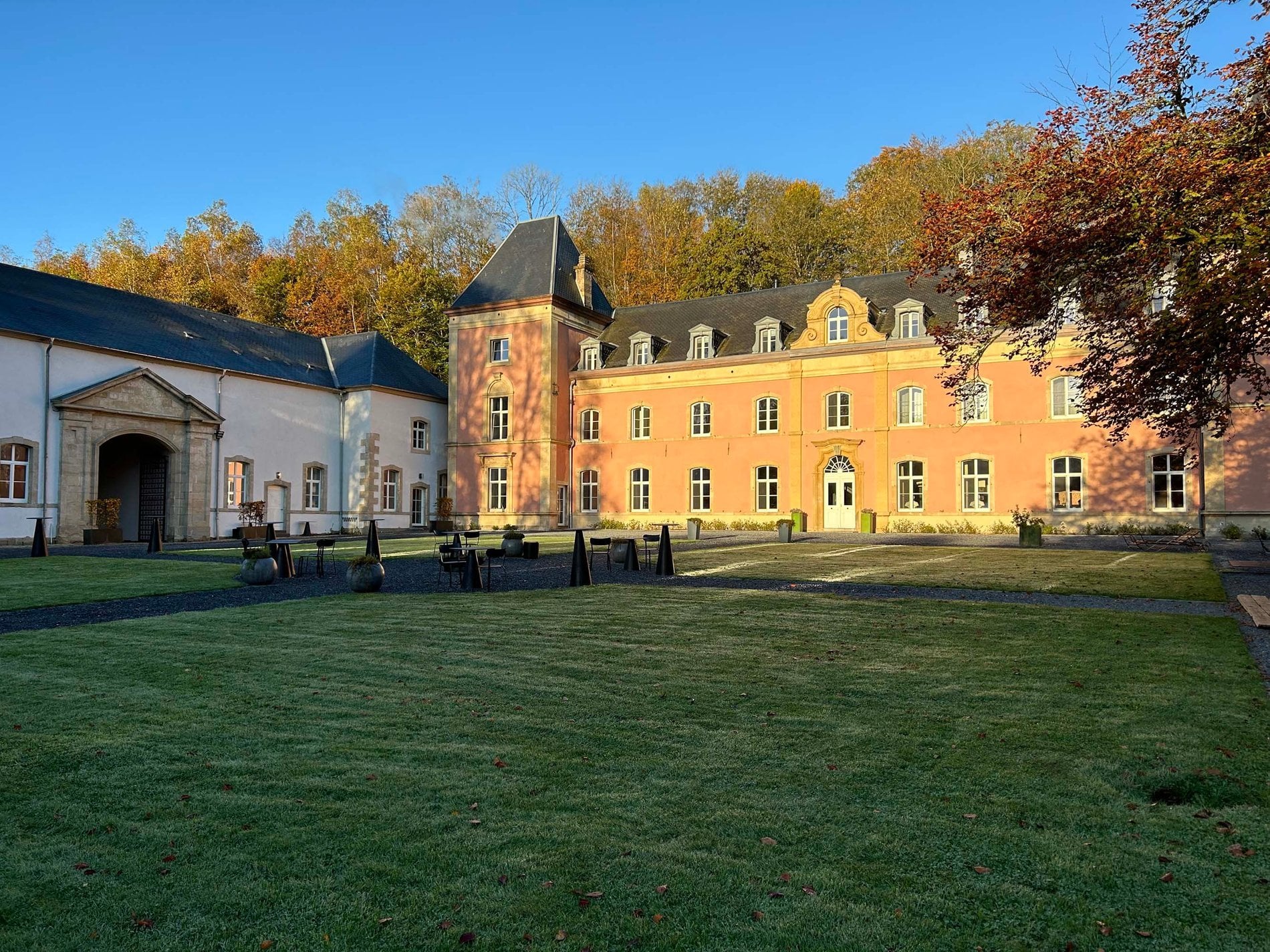
Steeped in history and deeply rooted in its local community, the Château du Pont d'Oye is much more than just an ancient residence. Since the 17th century, this singular site has stood the test of time, retaining its essential vocation as a place for encounters, culture and transmission, nestling in the heart of unspoilt nature.
The Pont d'Oye estate traces its origins back to the early 17th century, in the Rulles valley, which was then characterised by intense metallurgical activity. It was at this time that the first forges were set up, taking advantage of the presence of water, wood and ore, all abundant resources in the region.
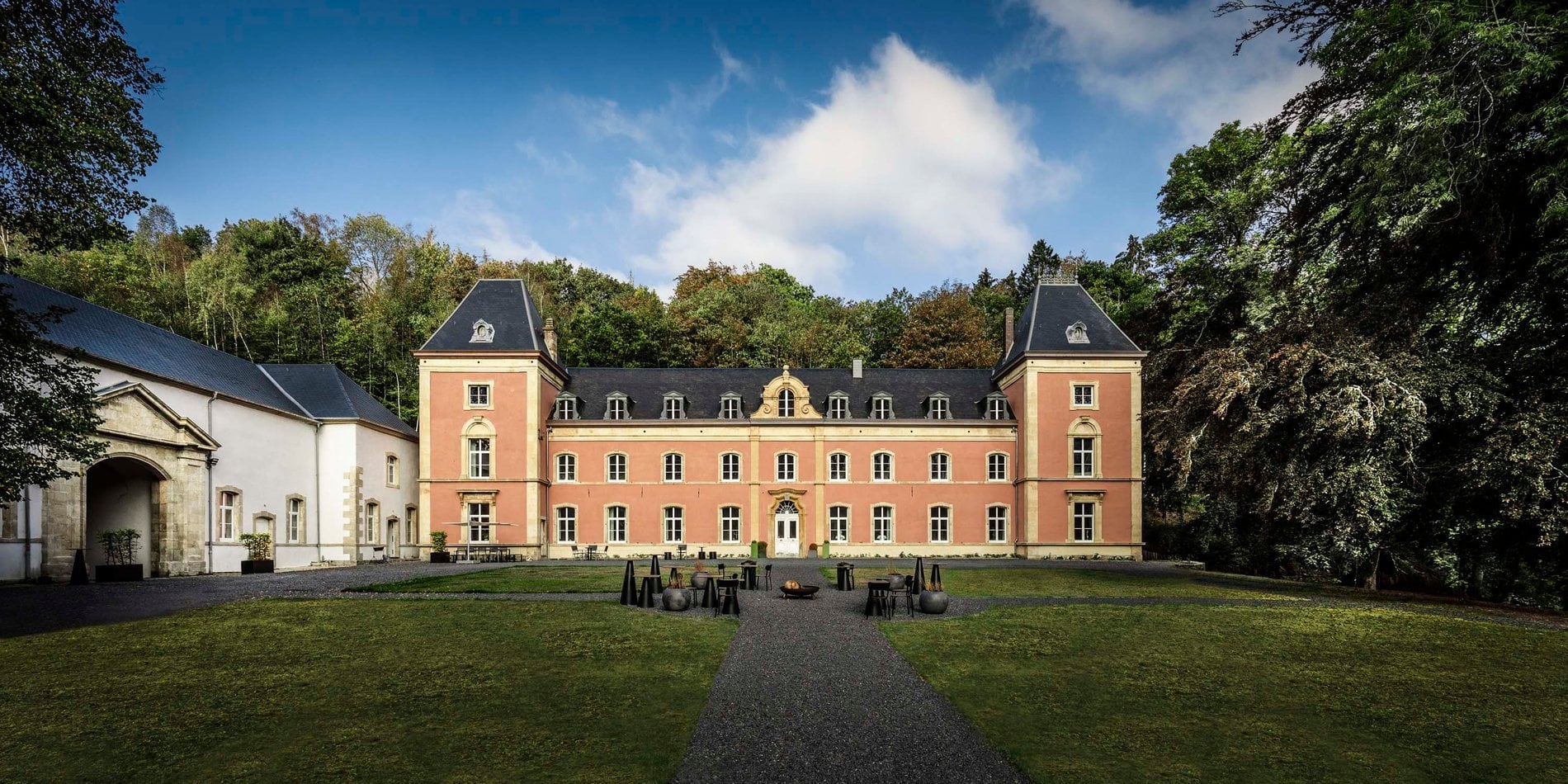
in 1644, Jeanne Petit had the first château built on the site, creating a residence that would soon become a prestigious place to live, in the heart of an exceptional forest landscape.
Over the decades, the Château du Pont d'Oye underwent a period of great influence: under the impetus of the Marquise du Pont d'Oye, the estate hosted sumptuous parties and glittering receptions, to the extent that life there was sometimes compared to that of Versailles.
this period of splendour came to an abrupt end during the French Revolution, when the château was plundered, and it would be several years before the estate was rebuilt to its former splendour.
In 1932, the estate was bought by Pierre Nothomb, a Belgian writer, poet and politician, who gave the Château du Pont d'Oye a new vocation as a place for culture and intellectual encounters.
the château became a place for exchange, debate and creation, welcoming artists, writers, musicians and thinkers. This cultural dimension left a lasting mark on the identity of the place and shaped its spirit of openness and curiosity.A house of transmission and attachment
This intimate relationship between the château and creativity has continued down the generations.
pierre Nothomb's great-granddaughter, Amélie Nothomb, speaks of her deep attachment to the château and the surrounding forest, which she fell in love with as a teenager.
the Château du Pont d'Oye became much more than an architectural heritage: it became a house of memories, emotions and family continuity.A meeting place at the heart of Europe
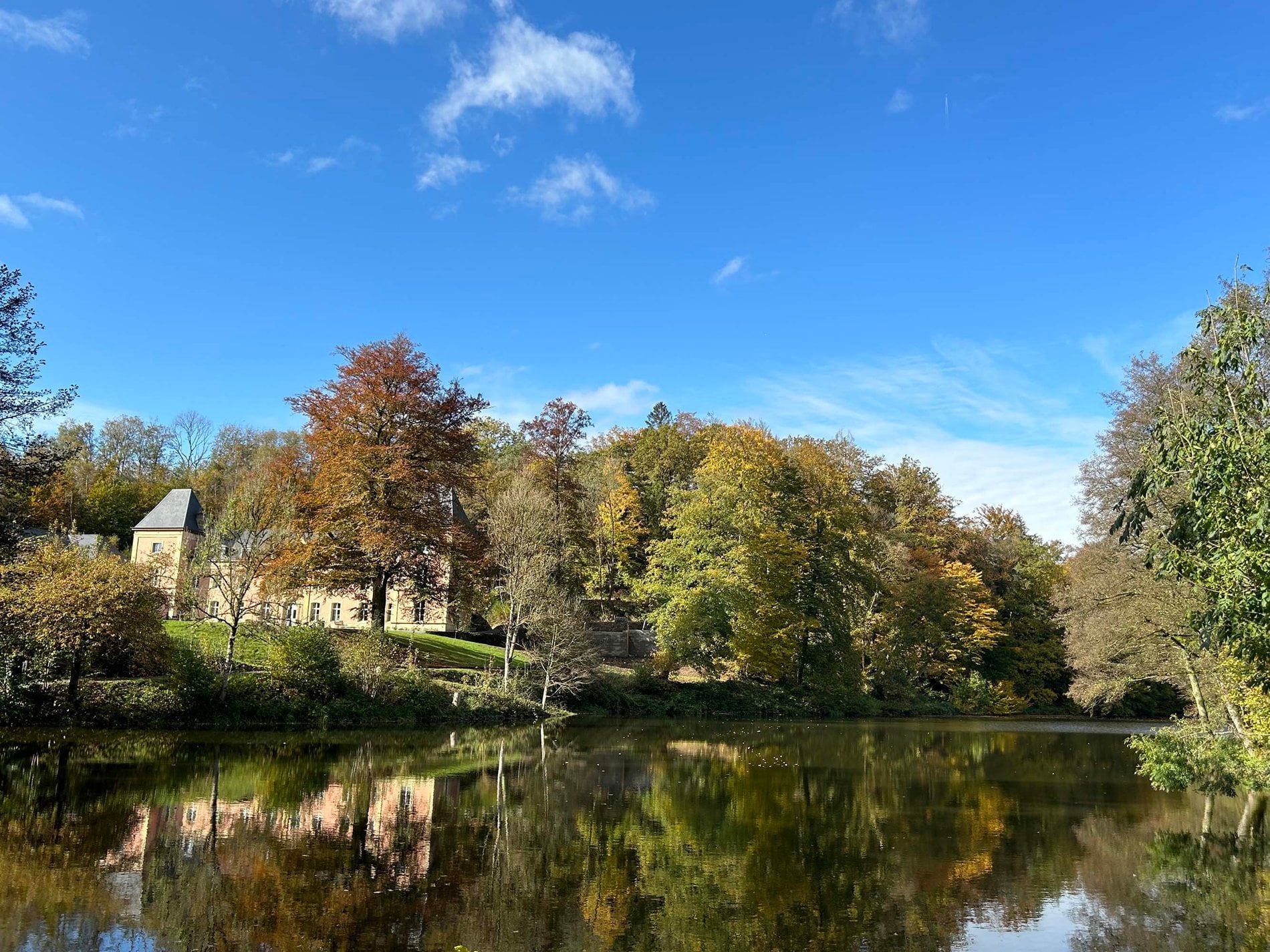
Situated on the borders of Belgium, Luxembourg and France, the Château du Pont d'Oye is a natural meeting place: on the edge of the majestic Forêt d'Anlier, the estate embodies a dialogue between nature, culture and humanity.
the château has always been a place of openness, tolerance and sharing, where ideas circulate and links are forged.
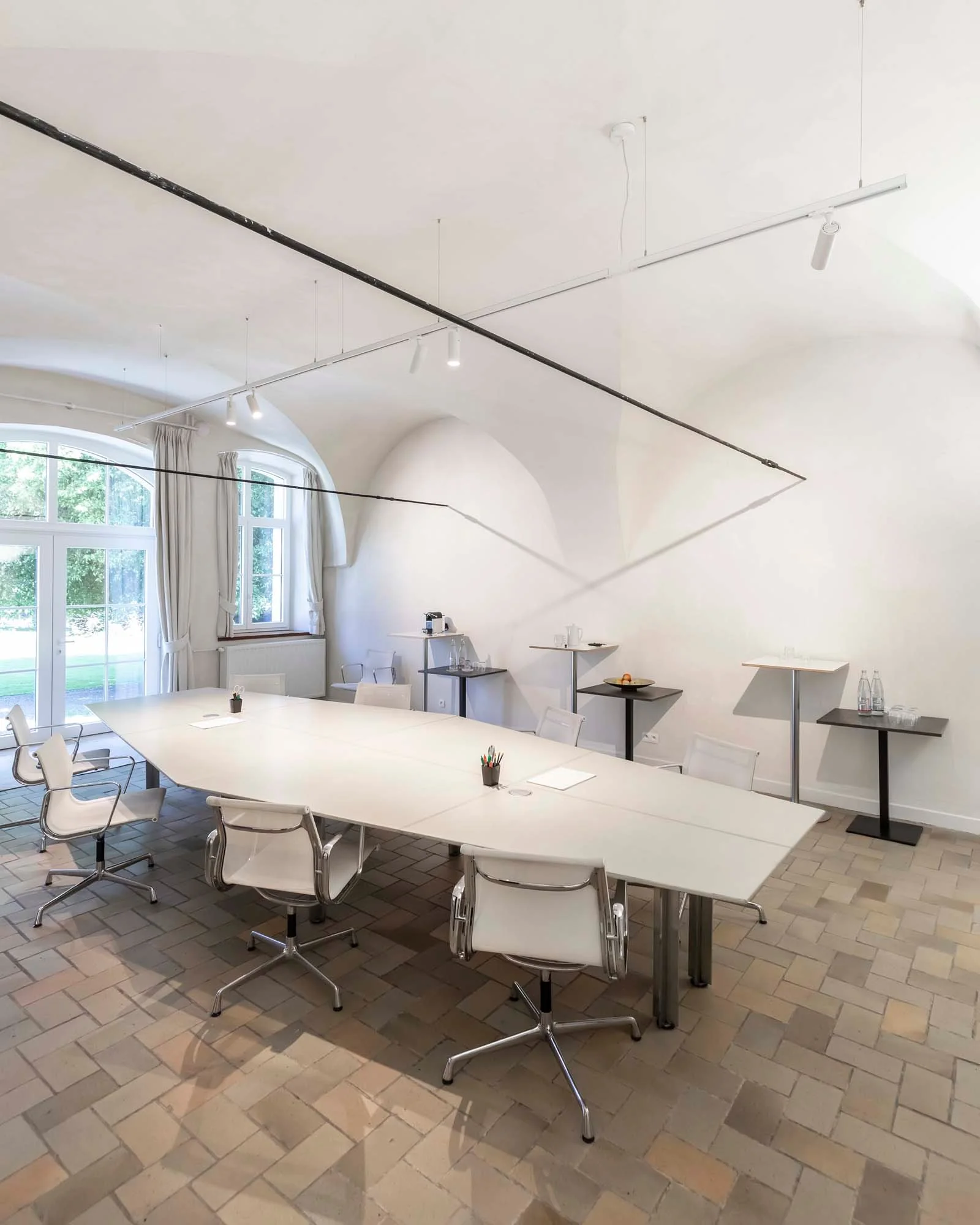
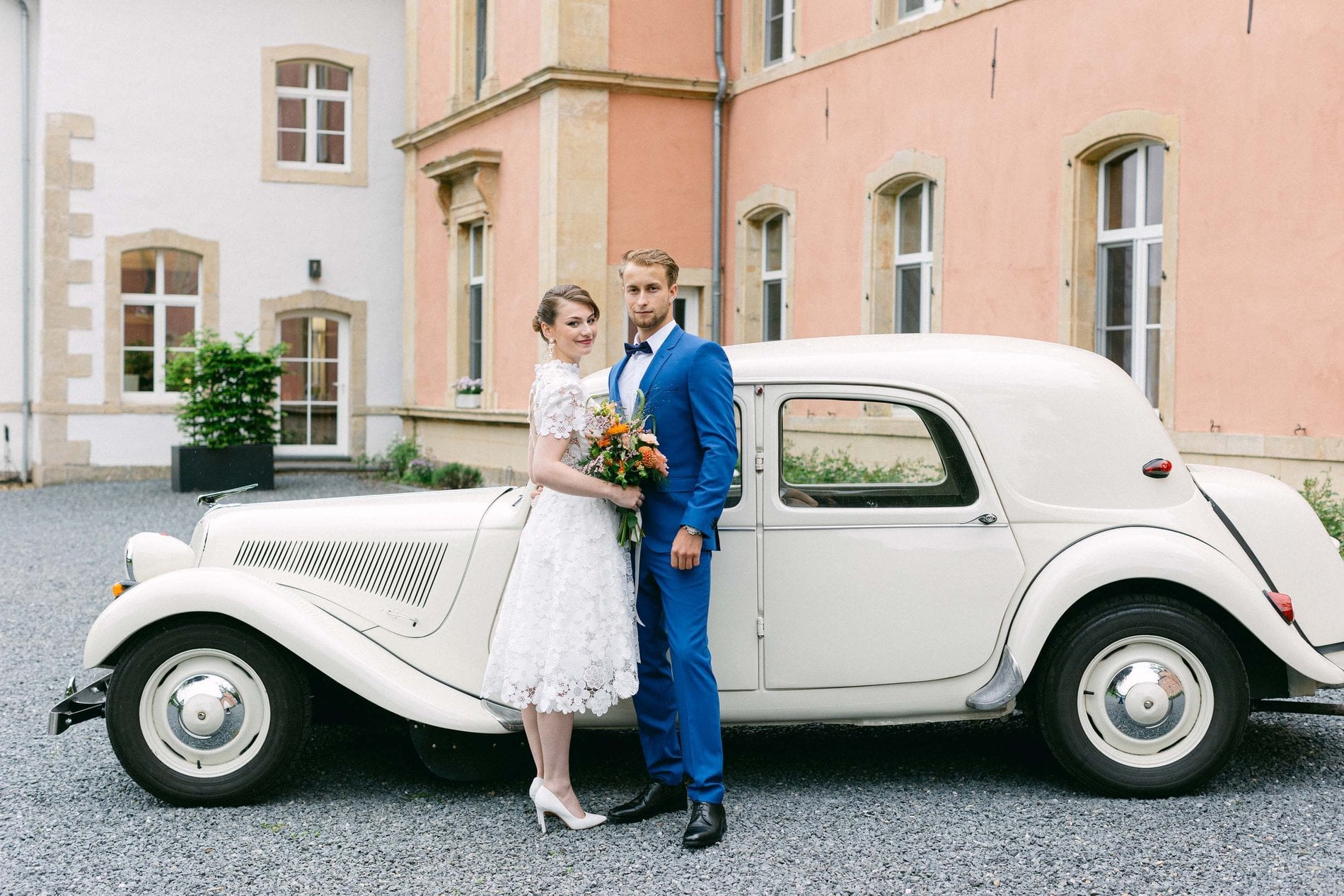
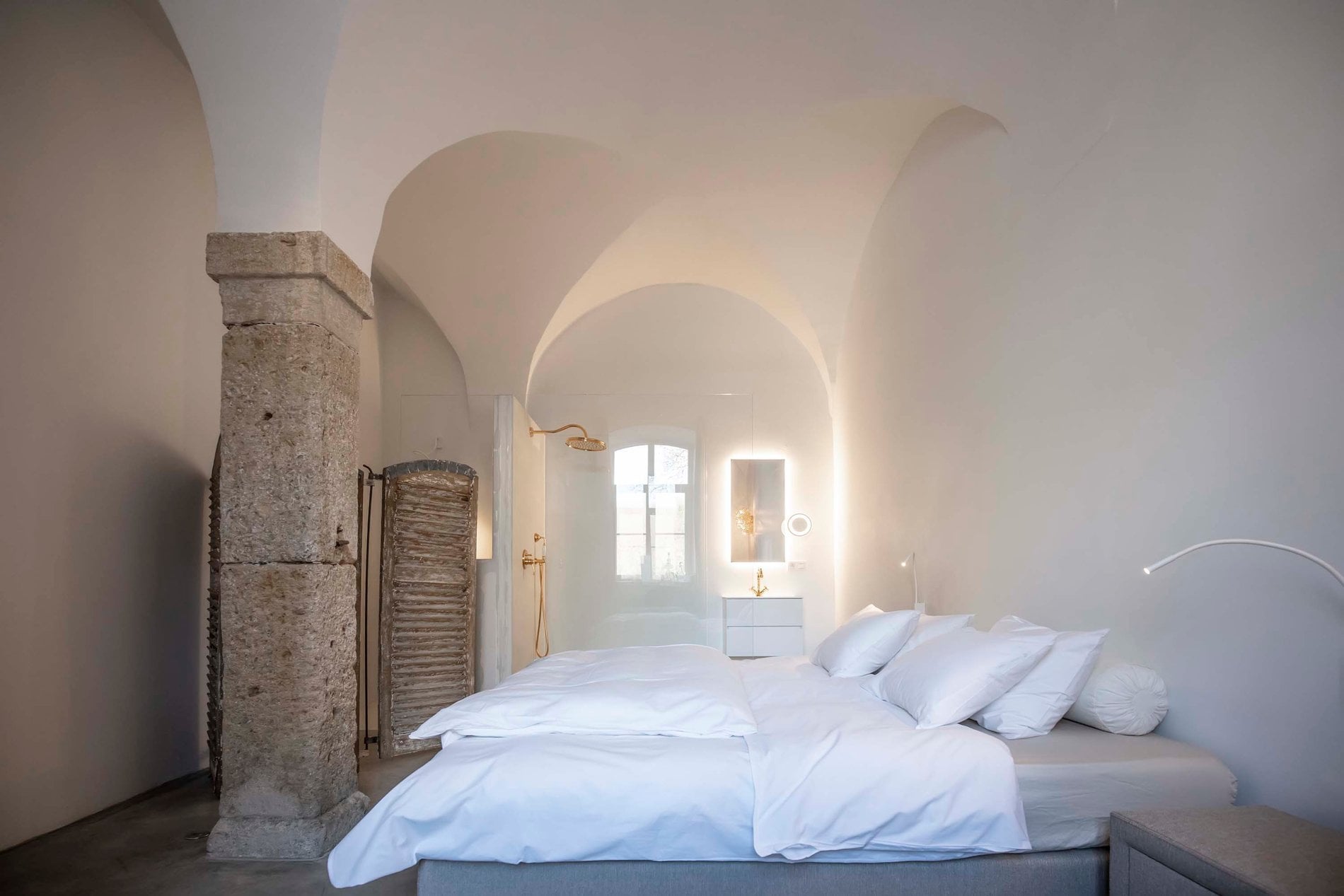
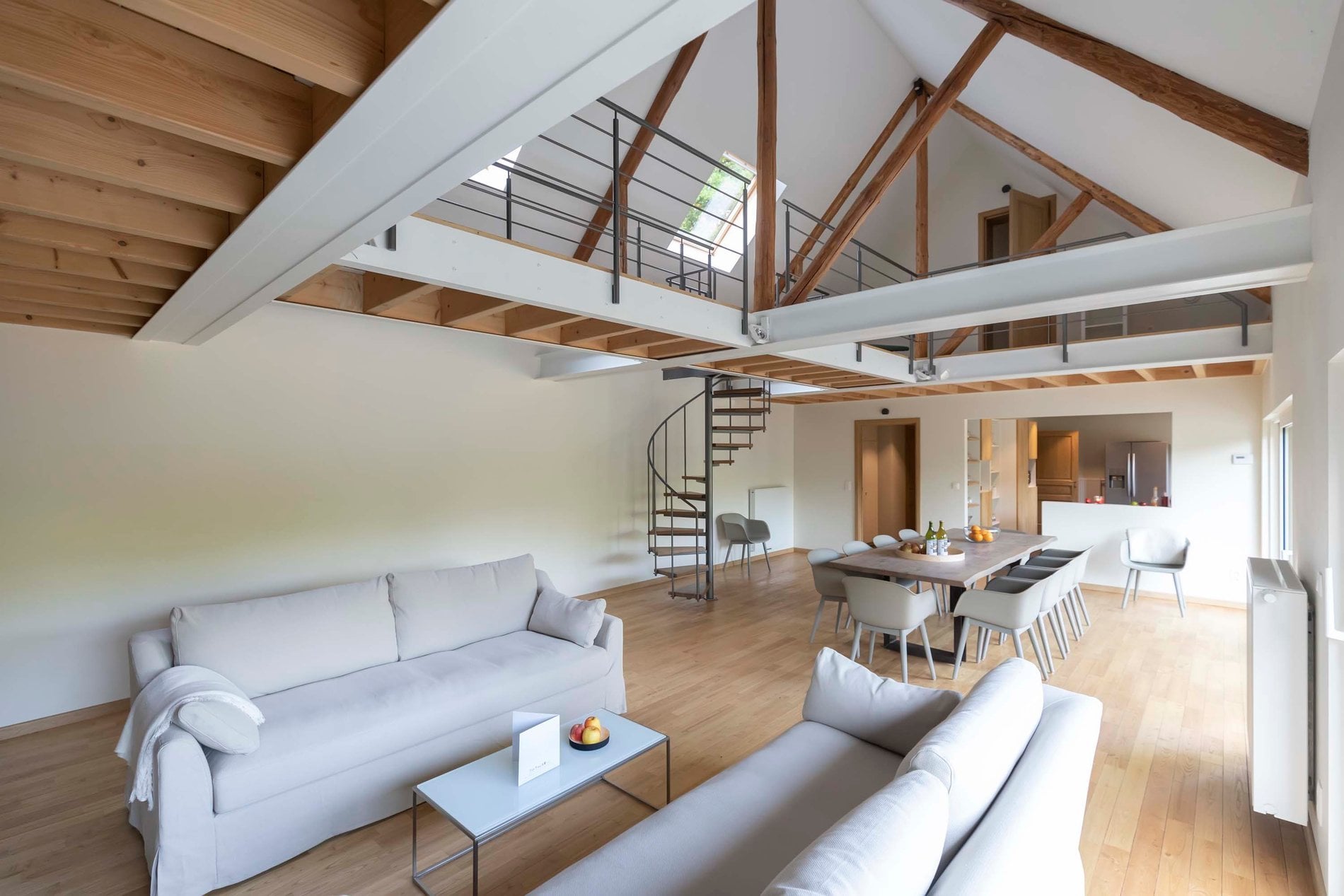
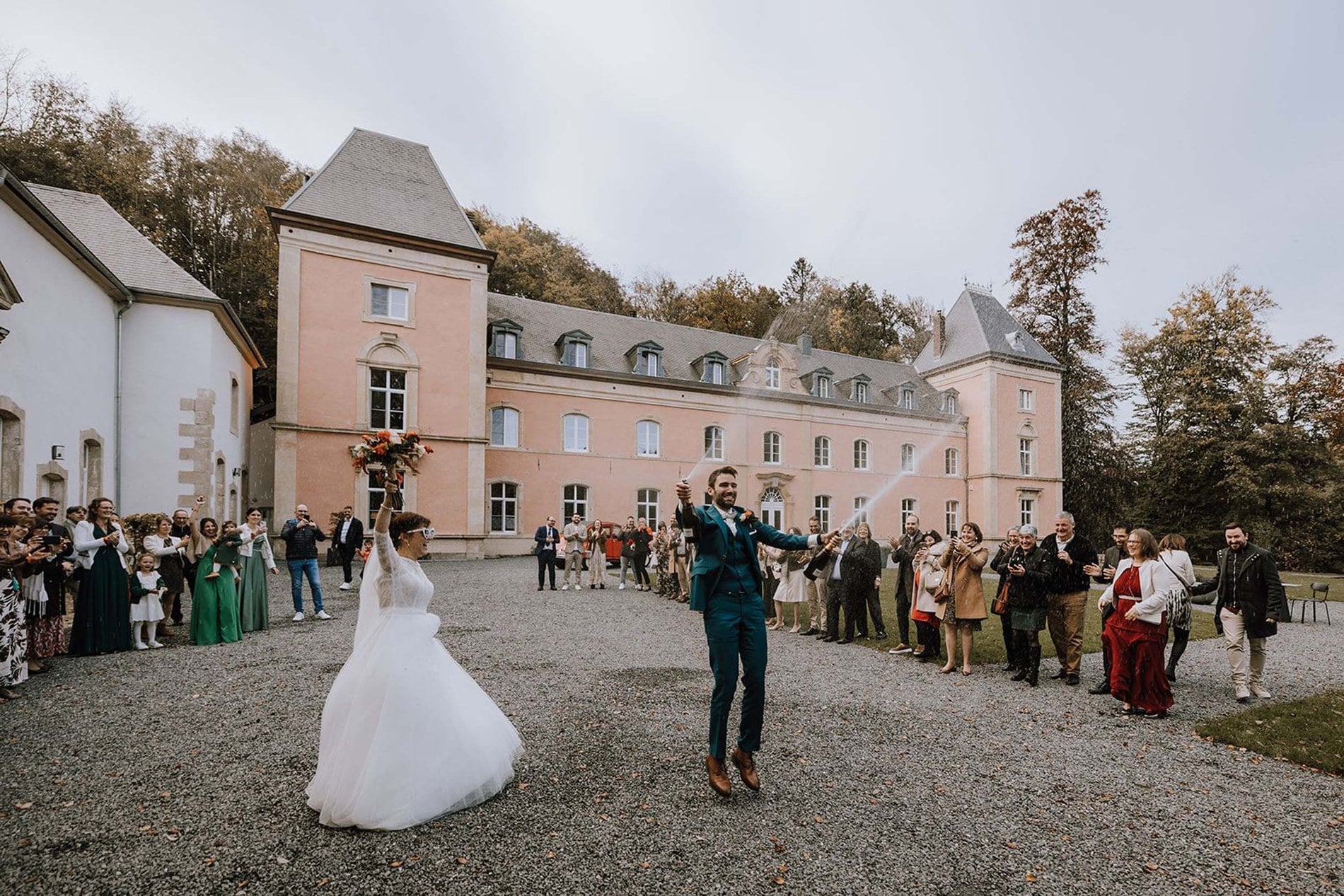
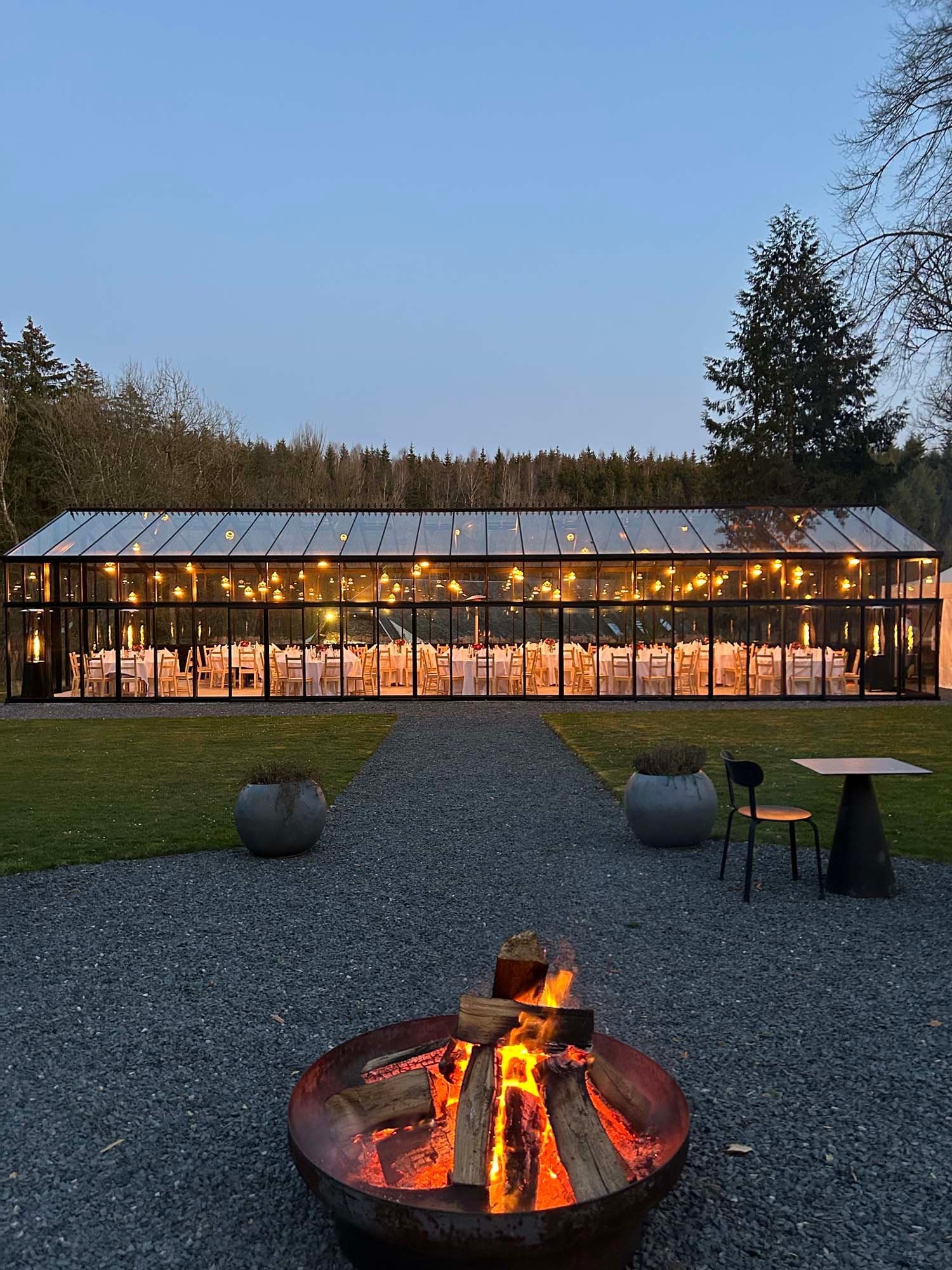
Today, the Château du Pont d'Oye continues this unique history. Respectful of its past, the estate is committed to preserving and enhancing its natural environment, while opening up to new experiences: holidays, weddings, seminars, well-being and cultural events.
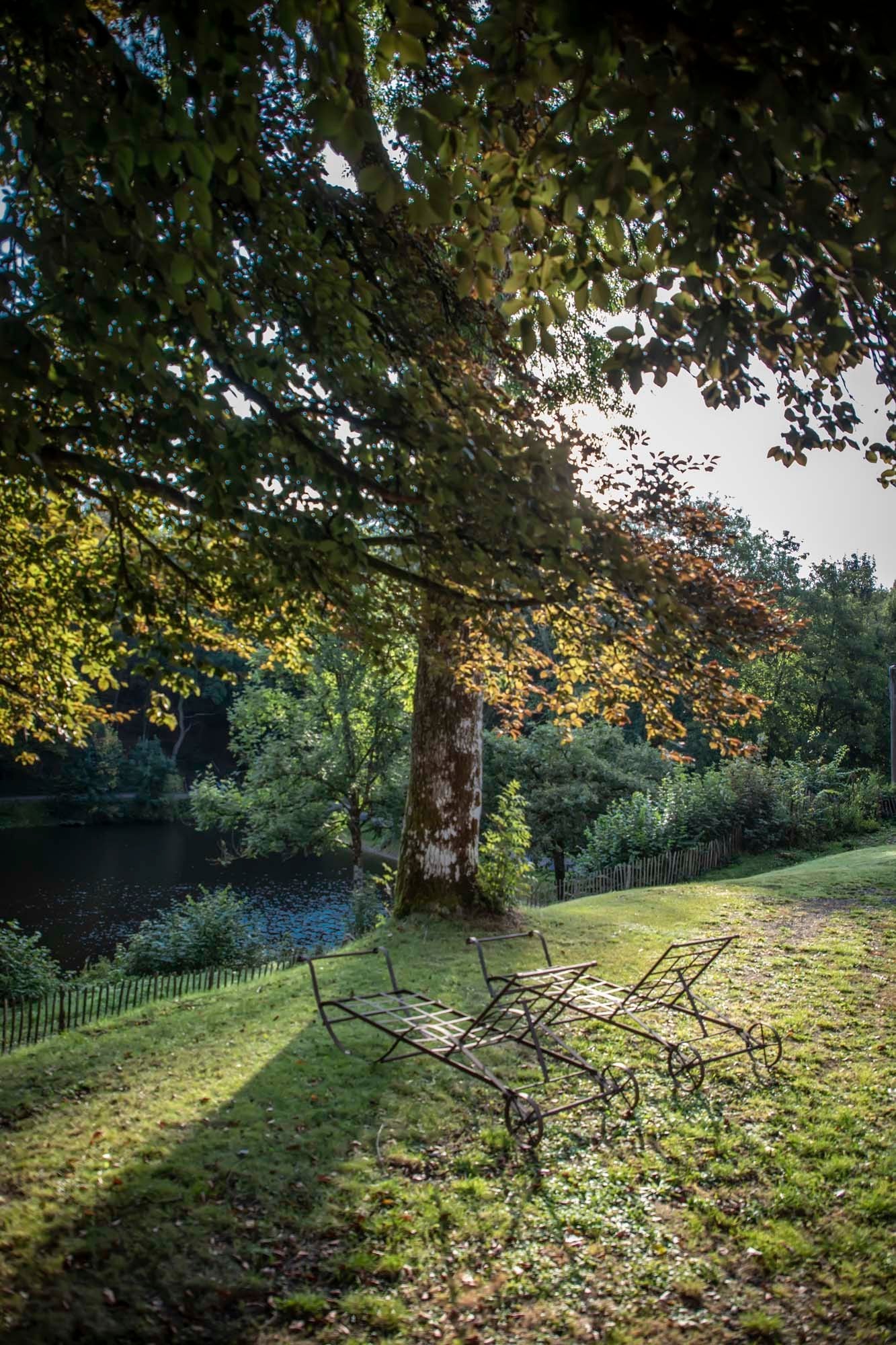
the philosophy remains unchanged: to preserve the magic of the place, in its setting of forests and ponds, so that future generations can in turn create memories and forge lasting links.
A contemporary renaissance
supported by a committed patron
Today, the history of Château du Pont d'Oye continues with a remarkable rebirth in the 21stᵉ century. After years of neglect, the estate has been brought back to life thanks to the commitment and patronage of Vincent Gouverneur, who undertook an ambitious restoration of the château and its outbuildings to restore it to its former glory.
Its major project - the fruit of more than five years' work and significant investment - has enabled the château to be restored, its doors reopened to visitors and its cultural and events role expanded. Today, the château once again welcomes guests for events, breaks, weddings and seminars, while respecting the soul of the place and embracing a sustainable and inspiring vision for the future.